Lot Split / Subdivision
One parcel divided into two or three buildable lots through minor subdivision, with the homes built by the same operator who filed the application.

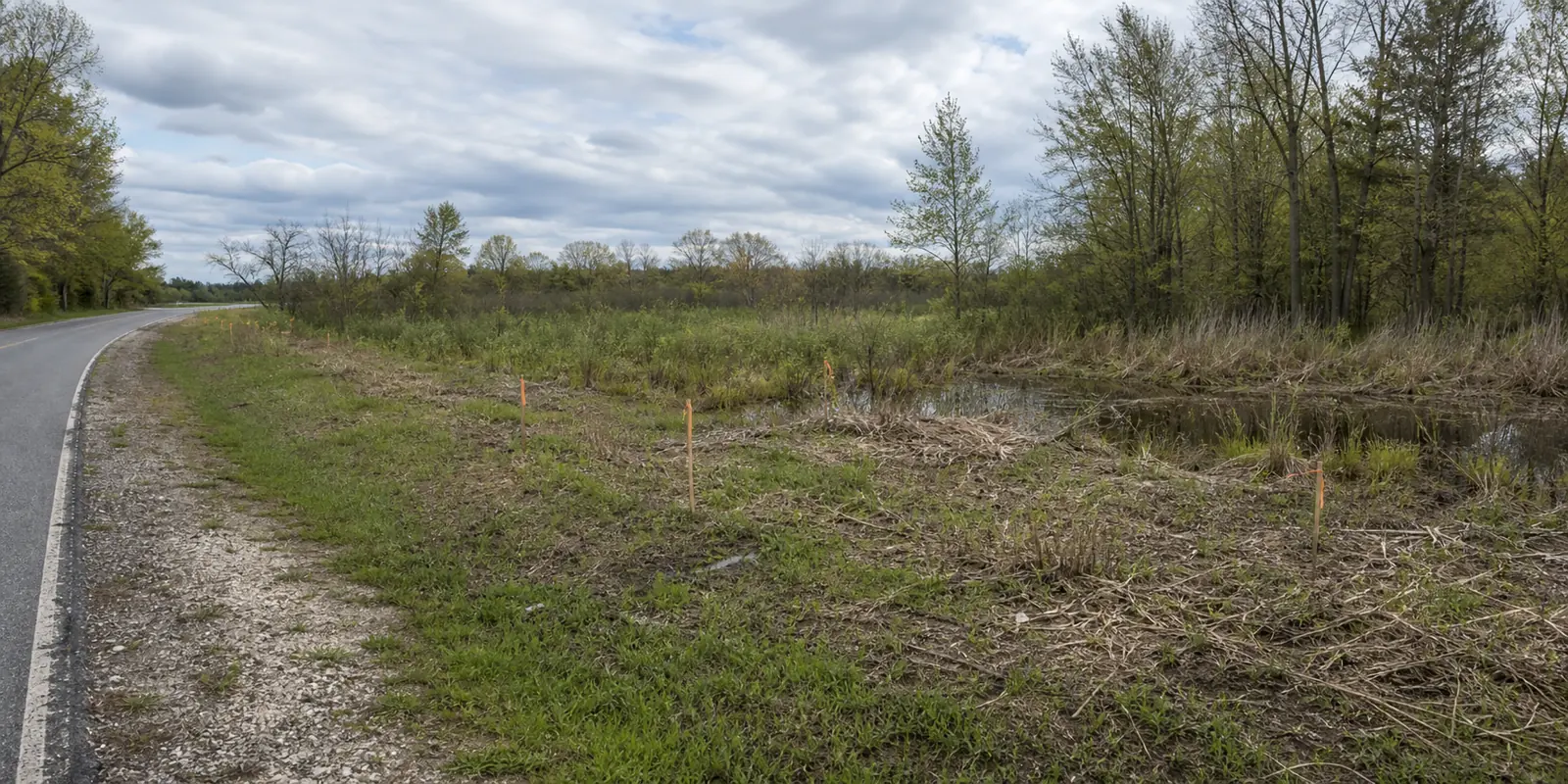
Land & Development
R2HB is a builder-developer. We acquire oversized lots, tear-down candidates, and parcels constrained by frontage, zoning, or utilities, secure the approvals, and build the homes.
Development paths
R2HB acquires property on six paths. Each one turns on a different constraint.
One parcel divided into two or three buildable lots through minor subdivision, with the homes built by the same operator who filed the application.
Where the existing improvement contributes less than the land beneath it, the question is what the site can support instead. Demolition, approvals, and a finished house.
Partially built projects requiring a completion read: remaining scope, permit and inspection status, and cost-to-complete. Six taken over, six delivered to certificate of occupancy.
Former commercial and industrial buildings converted to residential, where the answer depends on zoning relief and what survives demolition.
A nonconforming lot is not necessarily unbuildable. Frontage, variance exposure, and buildable area determine the answer.
Establishing what a site can support, and what has to be verified, before a price is set.
Project-backed judgment
48 new-construction projects and 113 rehabs and additions across South Jersey and the shore markets.
427 Salem was a deteriorated house on a 6,635-square-foot lot in Woodbury's C-2 Commercial District, where standalone residential use isn't permitted. The garage behind it had been apartments years earlier. We applied for a use variance under N.J.S.A. 40:55D-70(d) plus bulk relief for the 2.2-foot side yard setback, and it was approved 7-0 in 2021. The application went in for three apartments; the board wanted a two-story building consistent with the Redevelopment Plan, and the second floor added a fourth unit.
Ground-up construction on lots where the existing improvement was worth less than the land. Demolition, approvals, and a finished house.
Nine parcels divided to date. R2HB files the application and builds the homes on the resulting lots.
What can change value
Eight of our projects required septic design and approval rather than a sewer connection. At 147 Hurffville Grenloch Road in Sewell, a Gloucester County paving moratorium meant we bored under the road to reach the sewer main on the opposite side.
We price land on what the approval process will actually require, not on acreage.
Send an address or a block and lot. We review zoning, the tax map, and surrounding context, then walk the site if the initial read supports it.
You receive a direct assessment: what the site can likely support, what approvals it would require, and what that outcome is worth against the cost to get there. Where a site cannot support the intended use, we say so. That answer is worth more than a deal that fails at the board.
DIRECT CONTACT
Send an address or a block and lot. You'll get a direct answer about what the site can support.